For the last two years, the internet has been flooded with headlines proclaiming the future: AI will replace creative work. AI will run marketing. AI is the next revolution. The first half of this decade has been about speed, efficiency, and the dopamine hiiiiit of new tools that promised to automate everything uncomfortable or slow. Brands sprinted toward that promise. So did creative teams. Frankly, we’re all guilty of chasing the high of frictionless output.
But something else happened in the rush. As the tools sped up, the work thinned out. Visual sameness seeped into the feed, and every CPG TikTok spot seemed to echo the same upbeat formula. Static creative got generated, regenerated, and over-generated. The work was technically correct, but emotionally vacant.
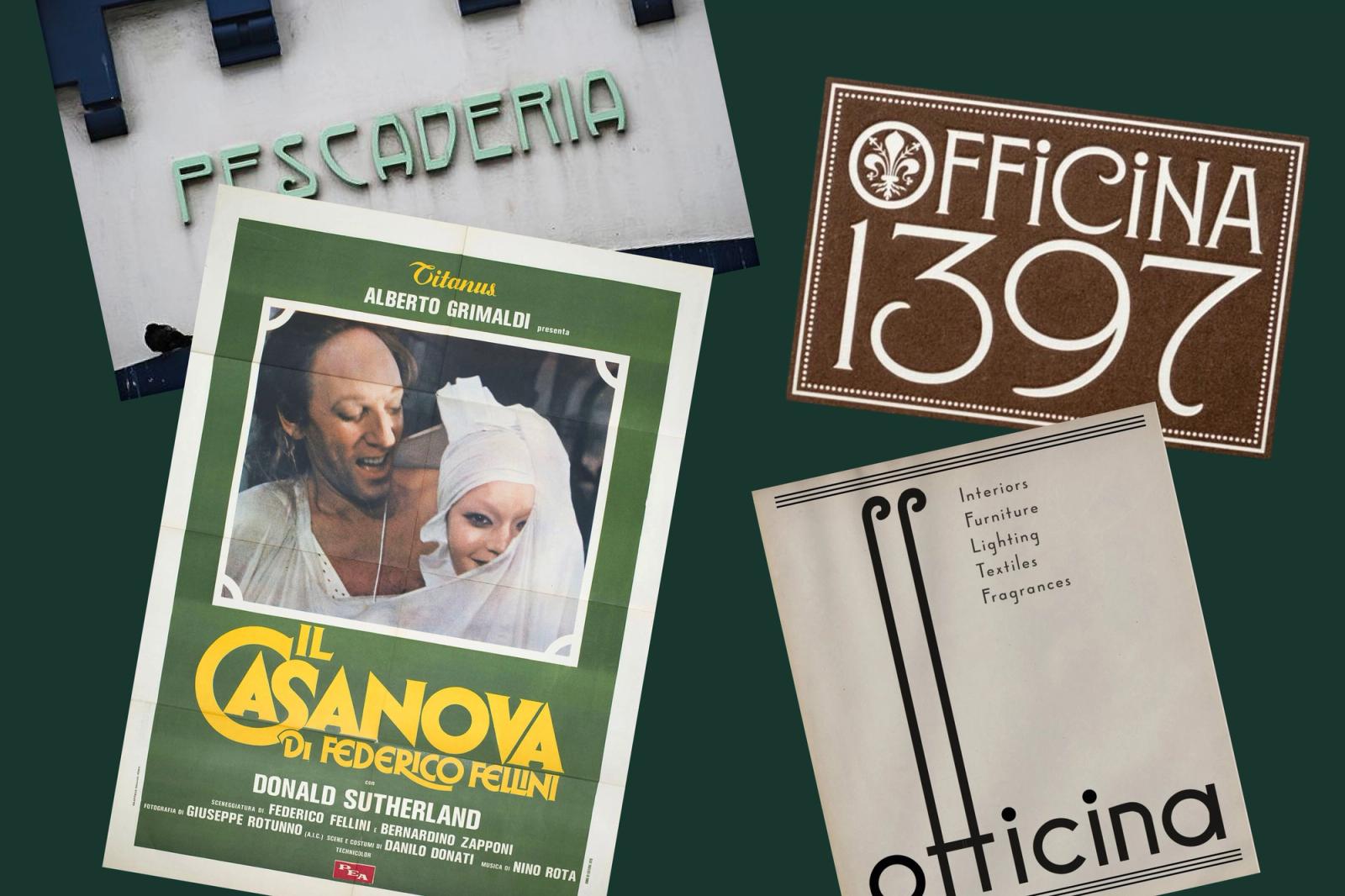
In Rosalia’s recent interview with Zane Lowe for her album Lux, she described today’s content landscape as increasingly “one note,” and pointed to culture’s rising craving for texture, tactility, and emotional dimension. There’s a pendulum swing underway – and it’s snapping us back toward work that feels embodied again.
We’re now in a moment where the most powerful thing a brand can do is remind people that a person made this: there were hands on it, choices behind it, effort inside it. In a world of infinite AI, feeling becomes the differentiator.
“There’s a pendulum swing underway – and it’s snapping us back toward work that feels embodied again.”
Analog Receipts and Reality Timestamping
When asked about AI, I often joke that our brands are “farm-to-table.” Meaning: built from lived insight, real conversations, grounded research, and intentional construction. But in 2026, you can’t just say your campaign work comes from a real-world origin. You have to show it. Behind-the-scenes content has taken on a new role. It’s evidence. Deloitte found that 74 percent of consumers say the growing use of AI makes it harder to trust what they see online.
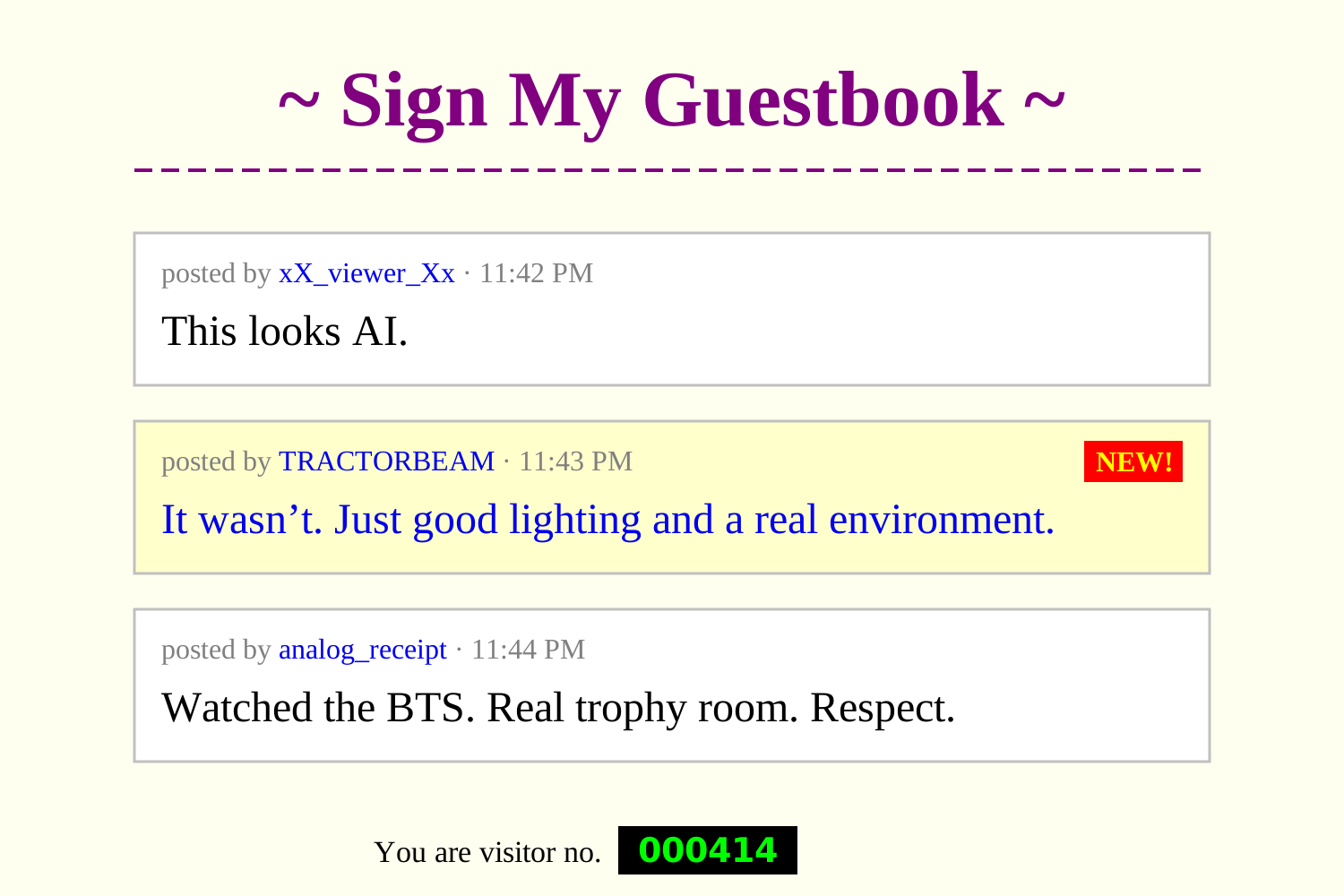
Last summer, our team shot the annual Dave Campbell’s Texas Football magazine cover featuring University of Texas head coach Steve Sarkisian. When the cover reveal hit social, comments rolled in: This looks AI. But it wasn’t. It was just good lighting and a real environment. The BTS footage became an analog receipt, a reality timestamp.
“I often joke that our brands are “farm-to-table.” Meaning: built from lived insight, real conversations, grounded research, and intentional construction. But in 2026, you can’t just say your campaign work comes from a real-world origin.”
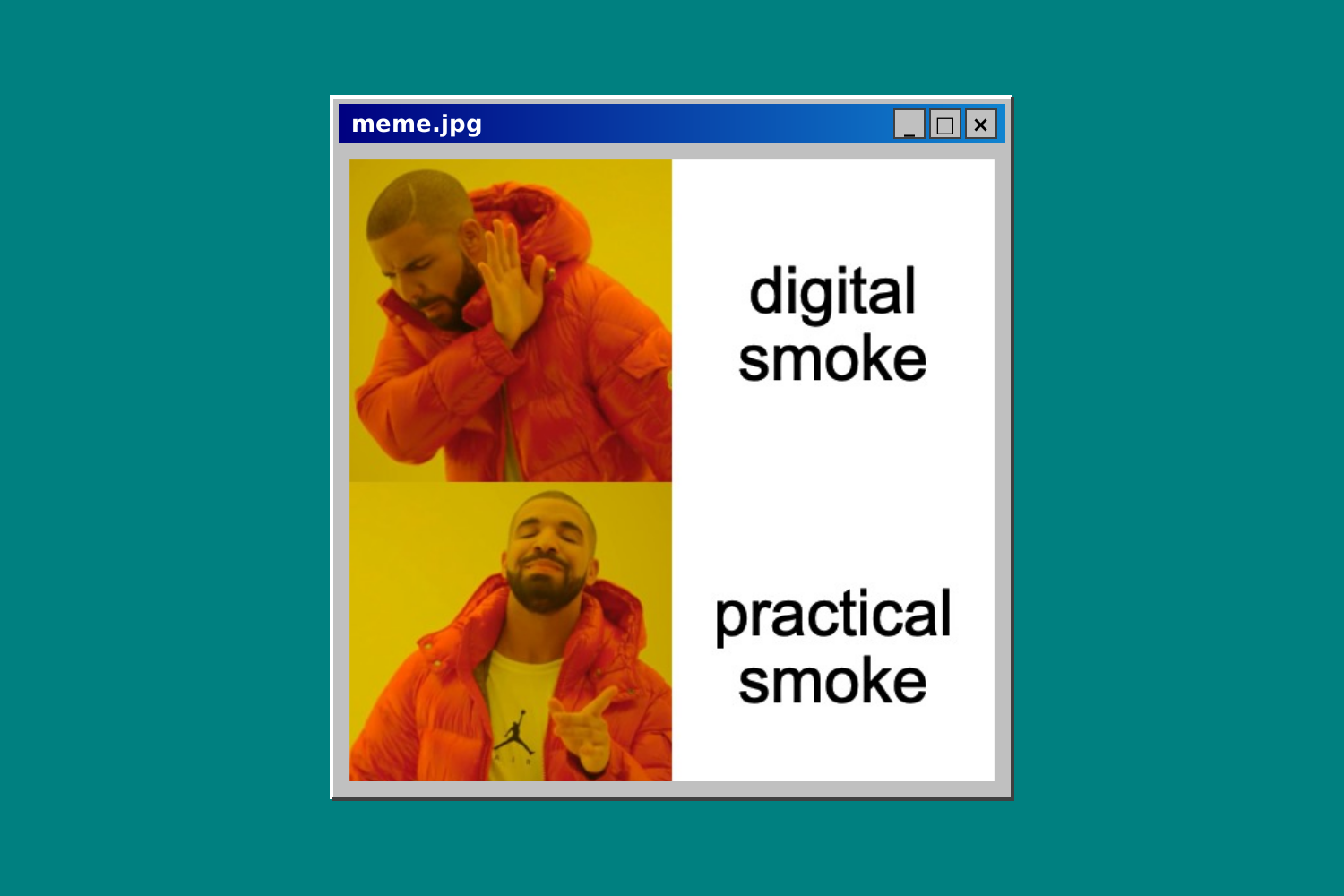
Big brands are leaning into this, too. Apple recently released a behind-the-scenes showcase revealing that their new intro video was created with practical effects rather than digital smoke and mirrors. The message wasn’t subtle: this is physical, this was constructed, this took time. And audiences rewarded it with more attention, not less.
“There’s an emerging irony: the brands with the biggest budgets — historically symbols of polished digital perfection — are now embracing analog production the hardest. They can afford it, and they set the tone for the rest of the industry.”
The Slow Media Flex
One of the clearest signs of this shift is the resurgence of the brand film. Not the six-second version, not the hyper-optimized performance cut, but the longer emotional arc. Not rushed. Not algorithm-shaped. Intentional. And audiences are showing up for it. Digital i’s 2024 analysis found that long-form content now accounts for 73 percent of all YouTube viewing time in the US, up from 65 percent the year before.
Ffern, the UK-based artisanal perfume brand, has practically built its identity around seasonal short films. They rarely show the product. Instead, they build mood, atmosphere, and sensory world-building. Every quarter, their mailer becomes a minor cultural event in our office (shout-out to Michelle Parsons, our Director of Creative Ops and long-time Ffern subscriber). Someone opens it, then we all end up passing it around (smelling, of course). The experience feels hand-built because it is… and it lingers.
Luxury is embracing this direction too. Gucci’s September short film The Tiger, directed by Spike Jonze and Halina Reijen, created massive industry buzz. The film shifted the fashion cycle by putting the story first, the product second.
At Tractorbeam, we’ve seen this firsthand. Our Oklahoma State University campaign was constructed like a short film, shot on campus over five days and built around real-life moments experienced by students. The OK-State Cowboy Code is not performed but practiced, and recognizable environmental detail shaped the story.
OpenAI’s Analog Camouflage Strategy
Here’s the plot twist: even the companies building AI are leaning into analog aesthetics.
ChatGPT’s new brand campaign, directed by Miles Jay, debuted during NFL Primetime and was shot entirely on 35mm film. The first spot, released earlier this year, framed the product as a “human invention,” not a replacement for human intuition. The music choices were indie and nostalgic: Perfume Genius’s “Fool” and Simple Minds’ “Someone, Somewhere in Summertime.” It felt like a film, not a tech ad.
The choice was deliberate. In a moment when AI imagery could easily overwhelm the narrative, OpenAI leaned toward warmth, nostalgia, and a cinematographic intent. Notably, the ads didn’t use any AI-generated visuals. They didn’t need to. The story was about people and what the AI tool enables them to do. The world’s most powerful AI company used traditional filmmaking to reassure audiences that the future still includes them. It’s almost funny.
Enter The Rehumanization Cycle
There’s a cultural rubber-band effect happening. After two years of hyper-efficiency, hyper-automation, and algo slop, audiences want depth again with work that carries fingerprints, not templates.
Consumers can sense when something comes from the real world they live in, and when the uncanny valley creeps in. They feel intention, time, texture, and atmosphere. You can’t fake that with a filter or prompt (yet).
We’re entering a phase where winning brands are the ones that feel alive, not frictionless. Where showing the process becomes as important as showing the product. And where analog production feels futuristic again.
For brand builders, this moment means leaning into work that leaves evidence of effort: atmosphere, narrative, tactile choices, and the messy, beautiful behind-the-scenes. The future isn’t anti-AI, but it is pro-feeling.
And that might be the most futuristic thing we can make.